
Introduction
Few airlines capture global attention quite like Qatar Airways. Whether it’s making headlines for luxury, rapid growth, or the occasional controversy, this carrier often finds itself at the center of aviation news cycles. In a year where international travel is both recovering and transforming, I find Qatar Airways especially fascinating.
This topic matters now more than ever—not only because the airline is continually expanding and adapting, but also due to its strategic moves within a turbulent industry, from new routes to legal battles and sustainability pledges. Why does one airline provoke so much discussion, and what can that teach us about today’s sky-bound ambitions? Let’s illuminate the story.
What's Happening
Qatar Airways, based in Doha, is a state-owned flag carrier established in 1993. Over the last decade, it’s emerged as one of the fastest-growing airlines, best known for its exceptional service and global reach. Here’s what’s unfolding lately:
- Network Expansion: The airline continues adding destinations, including new North American, European, and Asian cities, positioning Doha as a major international hub.
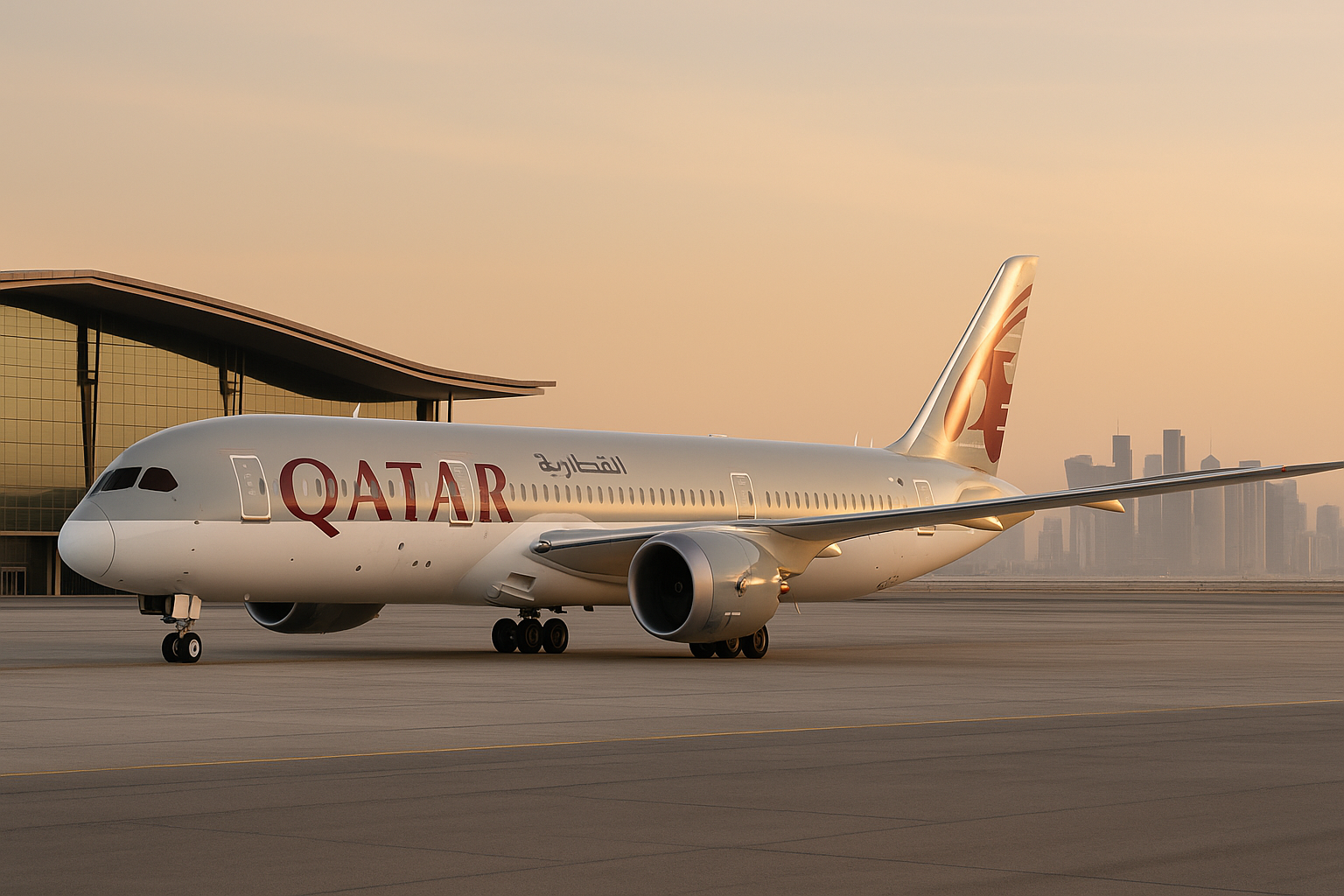
- Fleet Modernization: Qatar Airways boasts a young, technologically advanced fleet, heavily investing in Airbus A350s and Boeing 787 Dreamliners.
- Controversies: From disputes with Airbus over paint issues to headline-grabbing incidents like forced searches of female passengers in 2020, the airline faces ongoing legal and diplomatic scrutiny.
- Strategic Partnerships: As a oneworld alliance member, Qatar Airways forges alliances with British Airways, American Airlines, and more, expanding code-shares and loyalty offerings.
- Sustainability Commitments: The carrier has pledged to cut emissions and invest in sustainable aviation fuel, aiming to position itself as an environmental leader in the Middle East.
Amid post-pandemic recovery, Qatar Airways is aggressively reclaiming market share and reasserting itself as a global player. Its role during the FIFA World Cup 2022 as the official airline further propelled its reputation onto the world stage.
Why This Matters
Qatar Airways influences more than just flyers—it impacts aviation industry standards, tourism economies, and even diplomatic relations. Its meteoric rise offers both inspiration and caution about power dynamics in global travel.
Employees, passengers, industry competitors, and the broader public are all affected. For workers, there are questions about labor rights and working conditions. For passengers, the airline’s innovative amenities are a draw, but reputation risks can deter some travelers. From a market perspective, Qatar Airways’ assertive expansion forces other carriers to innovate or risk falling behind.
Different Perspectives
The Admirers' View
Many travelers and industry watchers laud Qatar Airways for setting a high bar in customer service, comfort, and safety. Its business and first-class products consistently win awards, and flyers highlight the Doha hub’s efficiency as a transit point.